Ihr Sparringspartner für Transformation und unternehmerische Weiterentwicklung
Kein Berater. Kein Theoretiker. Ein Unternehmer, der selbst aufgebaut, skaliert und an einen führenden europäischen Baukonzern verkauft hat - heute an Ihrer Seite, wenn es um Zukunftsfähigkeit geht.
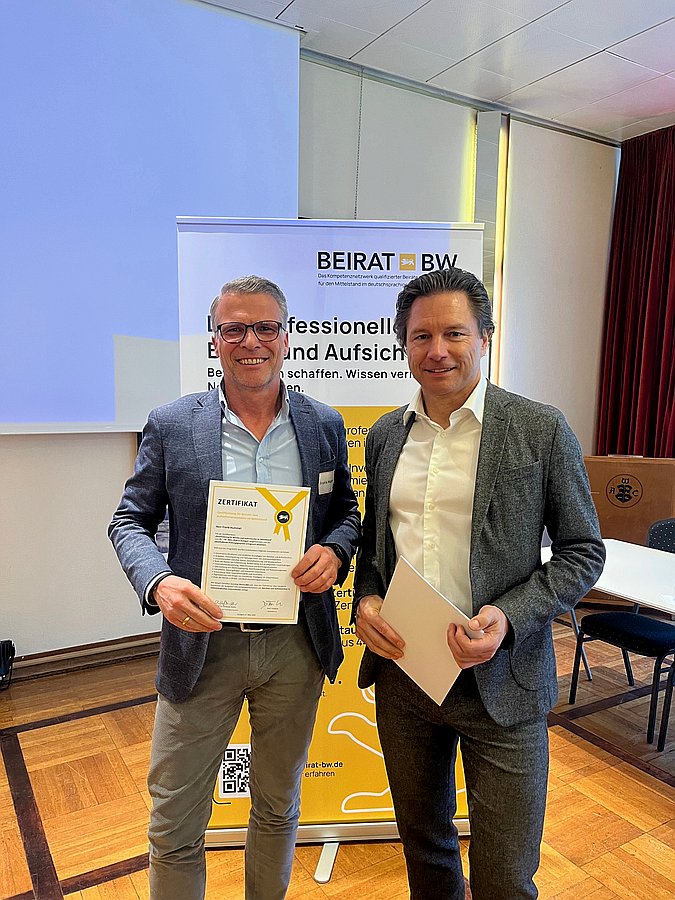
Für wirksame Entscheidungen in Energie, Digitalisierung und Transformation. Als zertifizierter Beirat (Beirat-BW e.V.) bringe ich über 30 Jahre Unternehmertum in Beirats- und Aufsichtsratsgremien ein - als unabhängiger Sparringspartner für Strategie, Transformation und unternehmerisch fundierte Entscheidungen.
30+ Jahre Unternehmertum - Aufbau, Skalierung, Verkauf 2020, Exit Ende 2023
Erfahrung im Übergang vom Mittelstand zum Konzern - 3 Jahre CEO & Bereichsleiter
1.000+ Projekte realisiert - Beratung, Planung, Umsetzung & Service
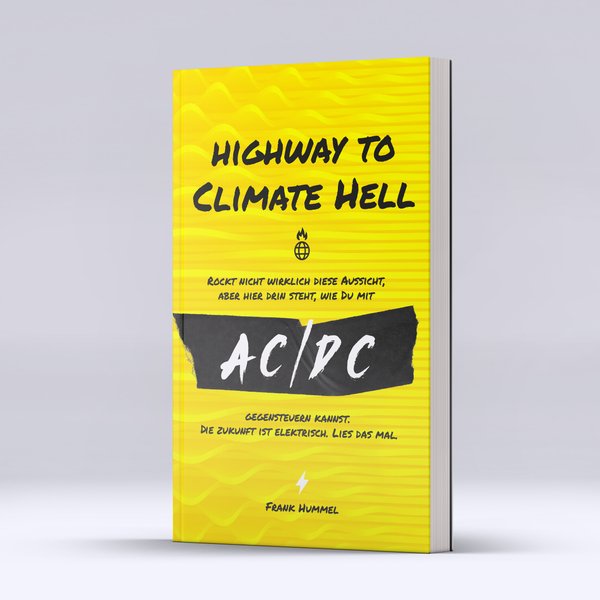
Herstellerneutral, GuV-fokussiert - Autor von 'Highway to Climate Hell'
Leistungen
Sparring für die Entscheidungen, die zählen
Ich begleite Unternehmer und Führungsteams bei Fragen, die mit Transformation, Zukunftsfähigkeit und unternehmerischer Weiterentwicklung zu tun haben - nicht aus der Theorie, sondern aus eigener Erfahrung.
Strategische Neuausrichtung
Wenn sich Märkte verändern, braucht es klare Entscheidungen - keine Foliendecks. Ich begleite Sie bei der Neuausrichtung Ihres Unternehmens: Geschäftsmodell, Organisation, Investitionen.
Transformation umsetzen
Energie, Digitalisierung, Infrastruktur - die Hebel für Zukunftsfähigkeit. Ich übersetze Strategie in konkrete Umsetzungsschritte mit messbaren Ergebnissen.
Investitionen absichern
Jede größere Investition verdient einen zweiten Blick. Ich bringe die unternehmerische Perspektive ein - mit eigener Erfahrung in Aufbau, Skalierung und Exit.
Aus der Praxis
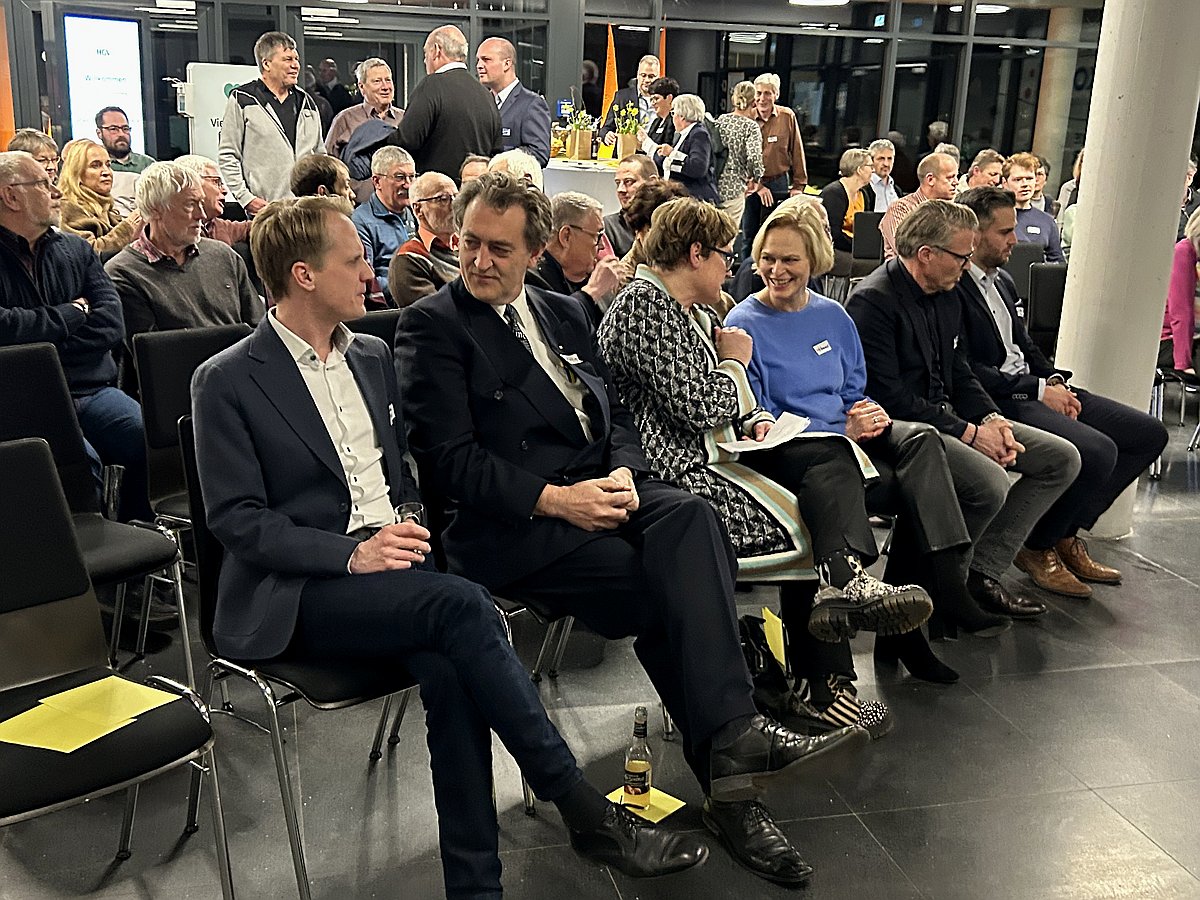
Workshops, Vorträge & Beratung
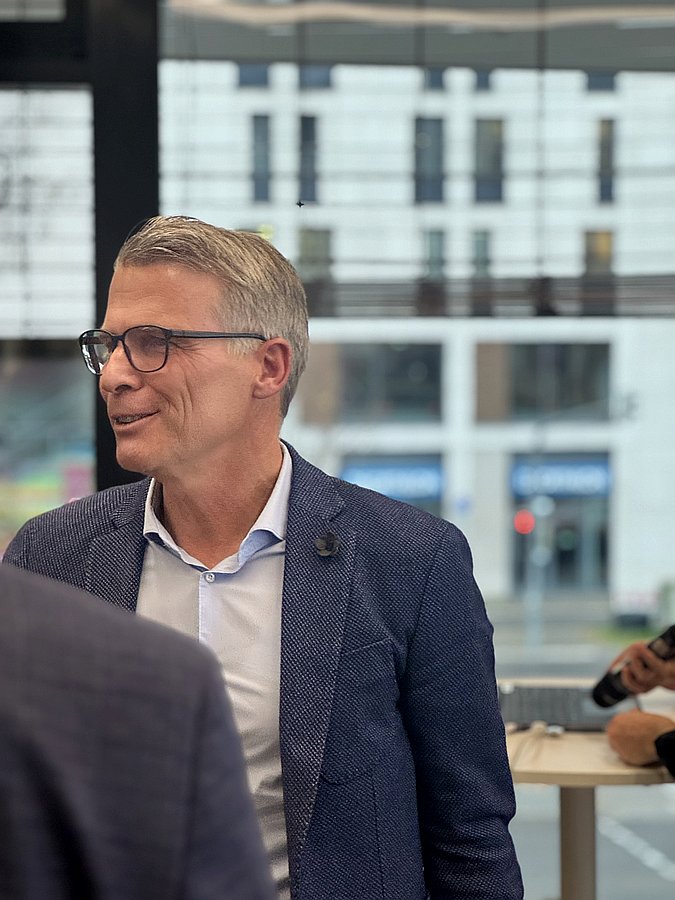
Einblicke in meine Arbeit mit Führungsteams, auf Konferenzen und in Beiratsgremien.
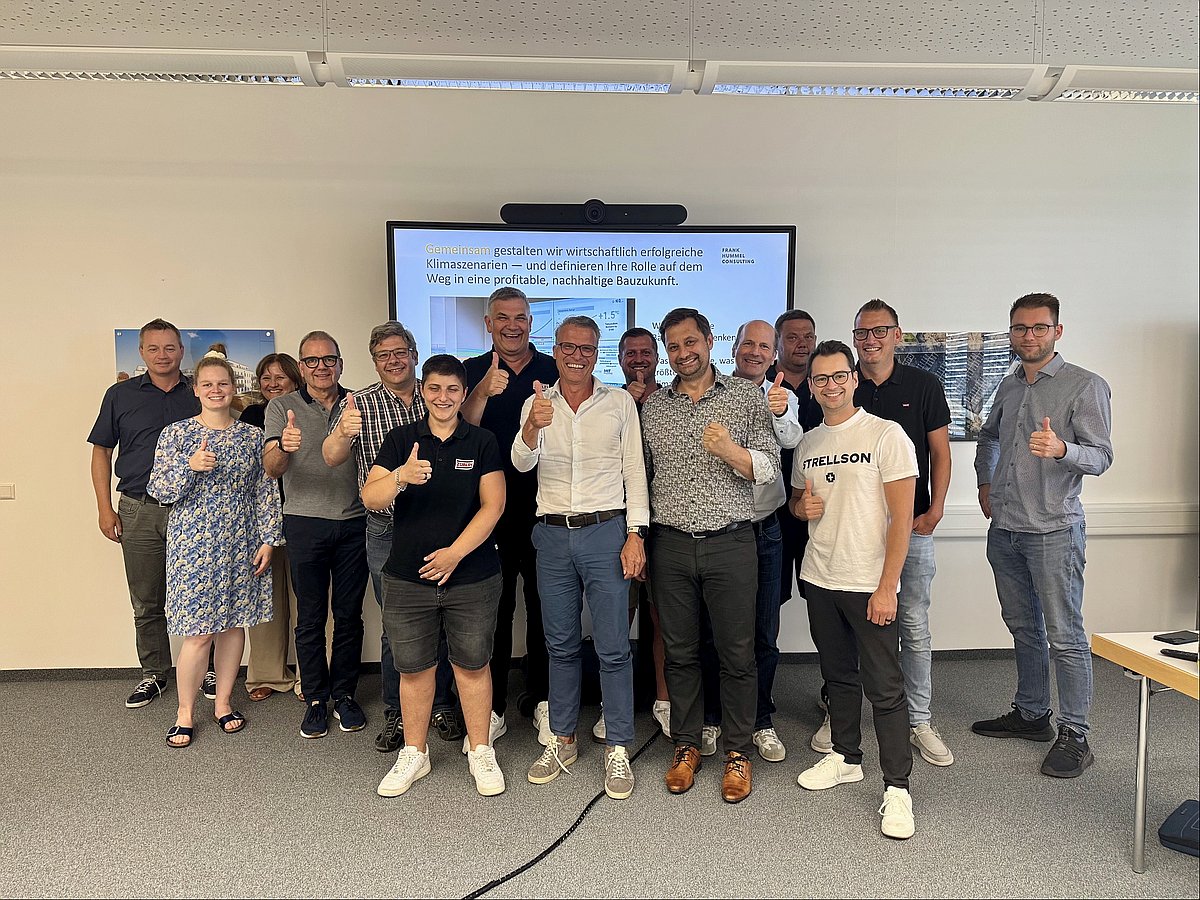
Workshop
Klimaszenarien für nachhaltige Bauzukunft
Vortrag
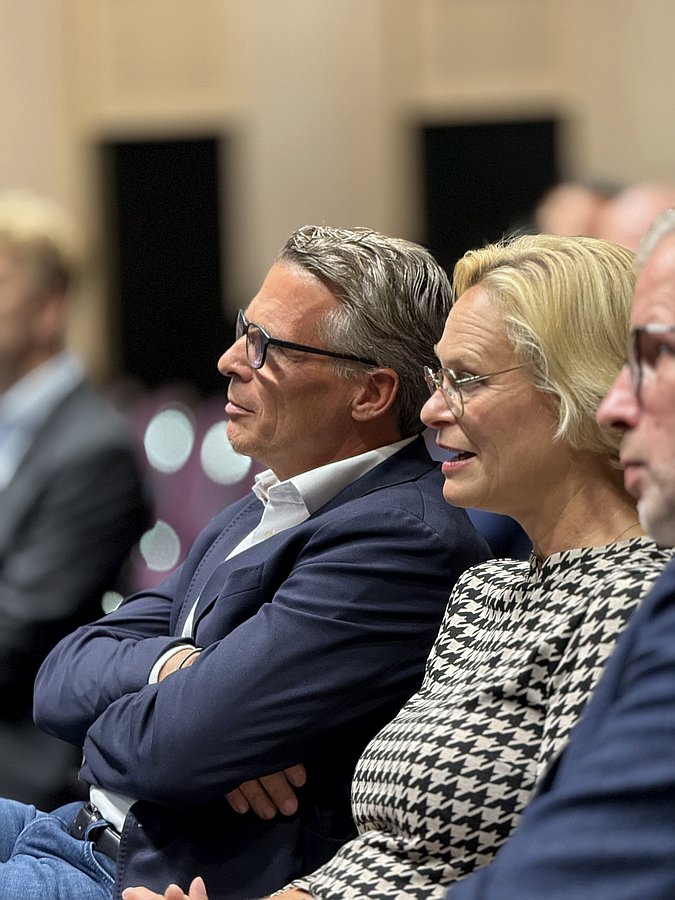
Impulse für Entscheider im Innovation HUB
Zertifizierung
Beirat BW - Qualifizierter Beirat
Mein Ansatz
Vom Quick-Check zum Skalierungsfahrplan
01
Quick-Check
2 Wochen
Belastbare Optionen & Payback-Analyse
02
Pilot
≤ 12 Wochen
Harte KPIs: €/MWh, Peaks, Eigenverbrauch
03
Skalierung
Individuell
Board- und banktauglicher Fahrplan
Jetzt kostenlos Einsparpotenzial berechnen
Unser Online-QuickCheck zeigt Ihnen in 2 Minuten, wie viel Ihr Standort durch erneuerbare Energien einsparen kann.
Services
Themen, bei denen ich Sie begleite
Zukunftsfähigkeit
Geschäftsmodell, Marktposition und Organisation auf Zukunftsfestigkeit prüfen
Energie & Infrastruktur
Elektrifizierung, Eigenstrom und Mobilität als strategische Hebel
Wachstum & Skalierung
Strukturen schaffen, die Wachstum tragen - ohne Kontrollverlust
Beirat & Governance
Unabhängige Perspektive auf Gesellschafter- und Geschäftsführungsebene
Exit-Vorbereitung
Unternehmenswert steigern und den richtigen Zeitpunkt erkennen
Mittelstand → Konzern
Den Übergang vom Inhabergeführten zum Konzernunternehmen gestalten - aus eigener Erfahrung als CEO im Konzern
Keynote & Impulse
Komplexe Themen greifbar machen - für Führungsteams und Gremien
Autor & Speaker
Highway to Climate Hell
Dein Praxisleitfaden für die Energiewende - bei dir. Als Autor teile ich Hintergründe kompakt und verständlich; als Keynote-Speaker übersetze ich komplexe Themen in Bilder, die Teams ins Handeln bringen.
Als zertifizierter Beirat bei Beirat BW begleite ich Gesellschafter, Geschäftsführung und Führungsteams als unabhängiger Sparringspartner auf Augenhöhe. Dabei verbinde ich strategische Perspektive mit eigener unternehmerischer Verantwortungserfahrung und einem klaren Blick für Umsetzung, Wirkung und Wertsteigerung.
Besondere Stärke an der Schnittstelle von Strategie, Energie, Infrastruktur und operativer Umsetzung. Eigene Verantwortung in Wachstumsphasen, strategischer Neuausrichtung, Unternehmensverkauf und Konzernintegration.
Wir verwenden Cookies und ähnliche Technologien, um Ihnen die bestmögliche Erfahrung auf unserer Website zu bieten. Einige sind technisch notwendig, andere helfen uns, die Website zu verbessern. Mehr erfahren